T4D TUCAN-GS Trees for urban resilience
Location : Mauritania
Problem
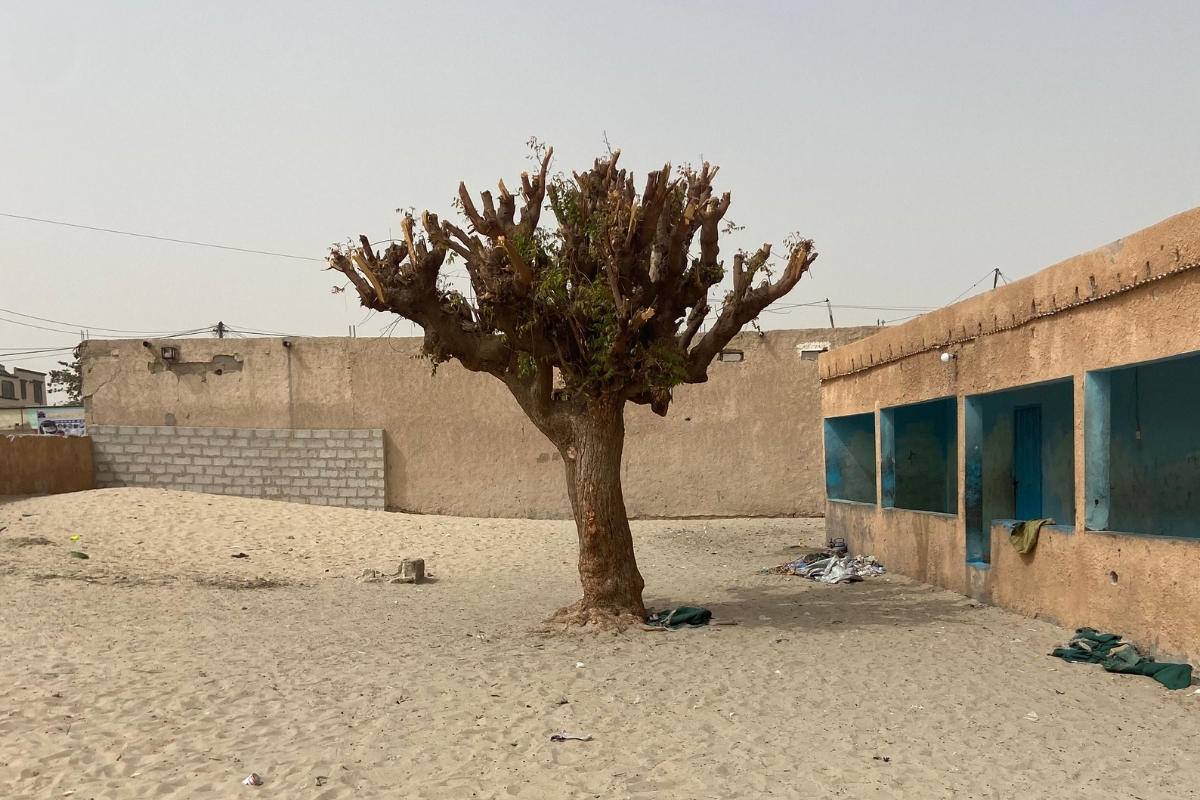
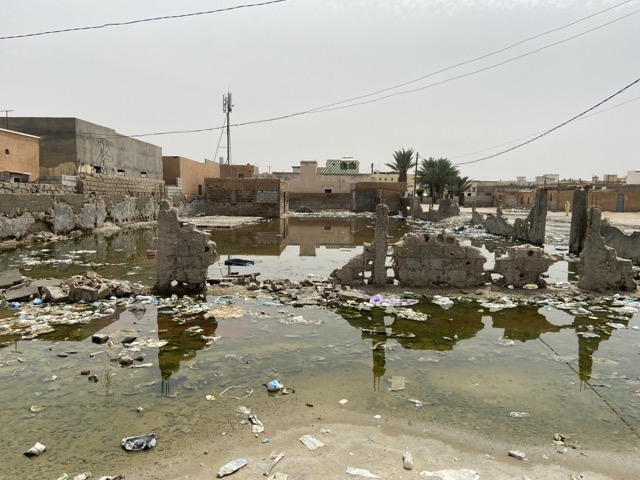
Nouakchott, Mauritania’s capital, suffers from recurrent groundwater flooding. Stagnant water damages homes and infrastructure, worsens health risks, and reduces quality of life in vulnerable neighborhoods. Where conventional drainage systems are costly and hard to maintain, afforestation can provide a nature-based sustainable solution for increasing the resilience to flooding; however, the city lacks vegetation, and tree planting is often viewed with suspicion, associated with mosquitoes or extra work.
Challenge
Finding an affordable, sustainable way to manage groundwater, while also overcoming social and cultural barriers preventing adoption of green infrastructures into urban landscaping.
Solution
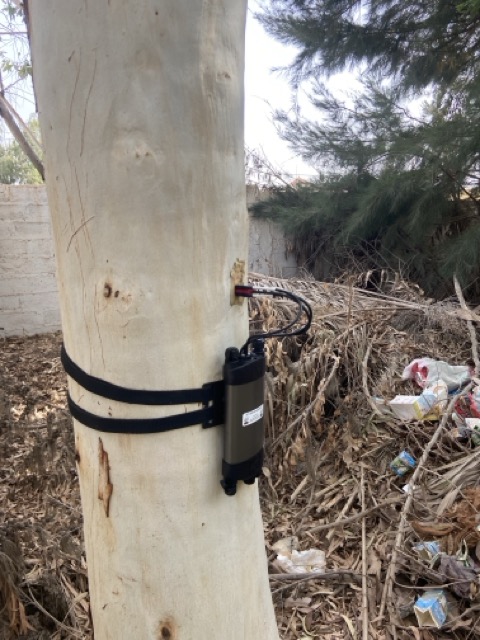
The TUCAN-GS project is piloting urban tree planting as a low-cost, nature-based response to groundwater flooding. Salt-tolerant species are first introduced in schools of areas subjected to flooding; irrigation is managed with a simple, low-tech system using brackish groundwater delivered through recycled plastic bottles, making it affordable and easy to maintain. The trees act as natural pumps, gradually lowering groundwater levels through evapotranspiration. At the same time, they create shade and cooler microclimates, improve air quality, and bring much-needed greenery to Nouakchott’s arid urban landscape. Schools and women’s cooperatives are central to the approach: they take part in planting, daily care, and monitoring, which not only secures long-term maintenance but also builds local skills and ownership.
Impact
The project is expected to reduce standing water in vulnerable neighborhoods, improving public health and lowering the risks linked to groundwater flooding. By creating shade and cooler microclimates, the trees make public spaces more livable, offering safer and healthier environments. At the same time, afforestation supports local employment through planting and maintenance, and provides opportunities for youth engagement. Beyond its immediate benefits, the success of the project will demonstrate that nature-based solutions can complement costly drainage systems, offering a scalable model for other coastal cities in arid regions facing similar challenges.
Team members
- Prof. Paolo Perona, Scientific Lead, EPFL
- Yacine Belgacem, Researcher, EPFL
- Elouan Praplan, Researcher, EPFL
- Maimouna Saleck, Local Coordinator, BiodiverCités
- Fatimetou Boukhreiss, Director of Transport and Environment, Region of Nouakchott
- Prof. Mahmoud Mohamed Ould Abidine, Botanical Expert, University of Nouakchott
Photos Copyright ©Emmanuel Dubois; EIRA project team; TUCAN-GS project team;



.JPG)

T4D Sustainable tarpaulins for emergency shelter

T4D Computational Design for Resilient Shelters